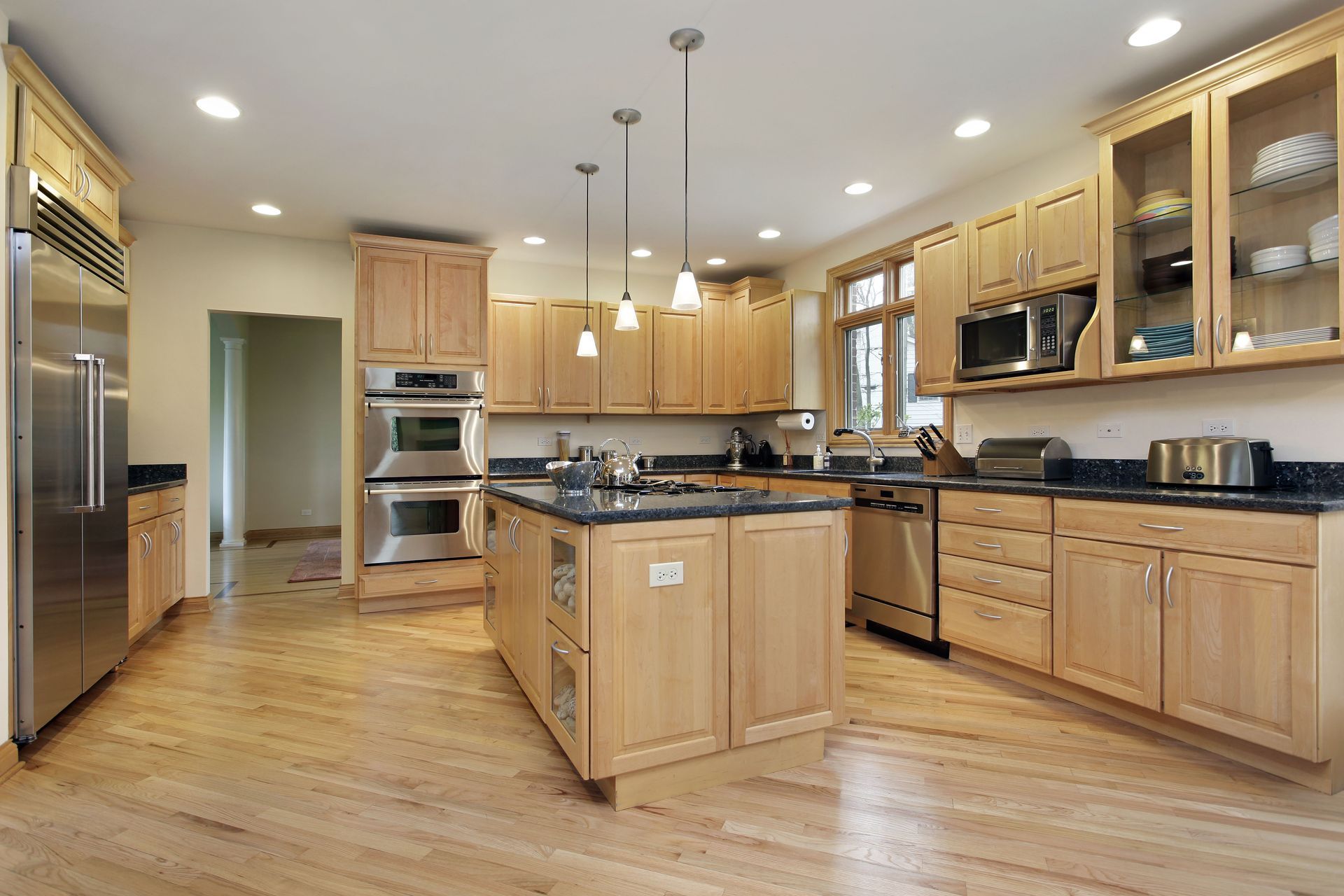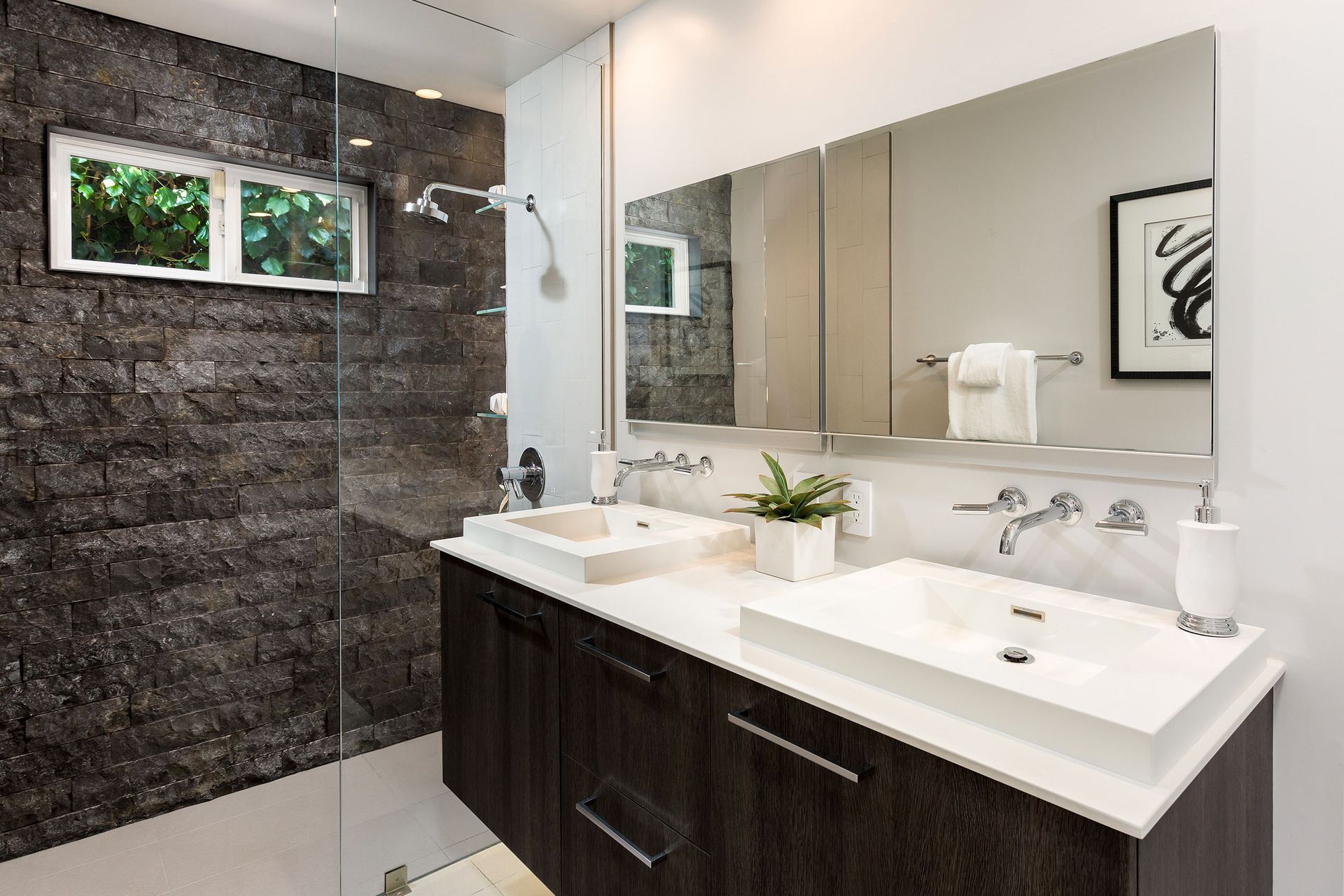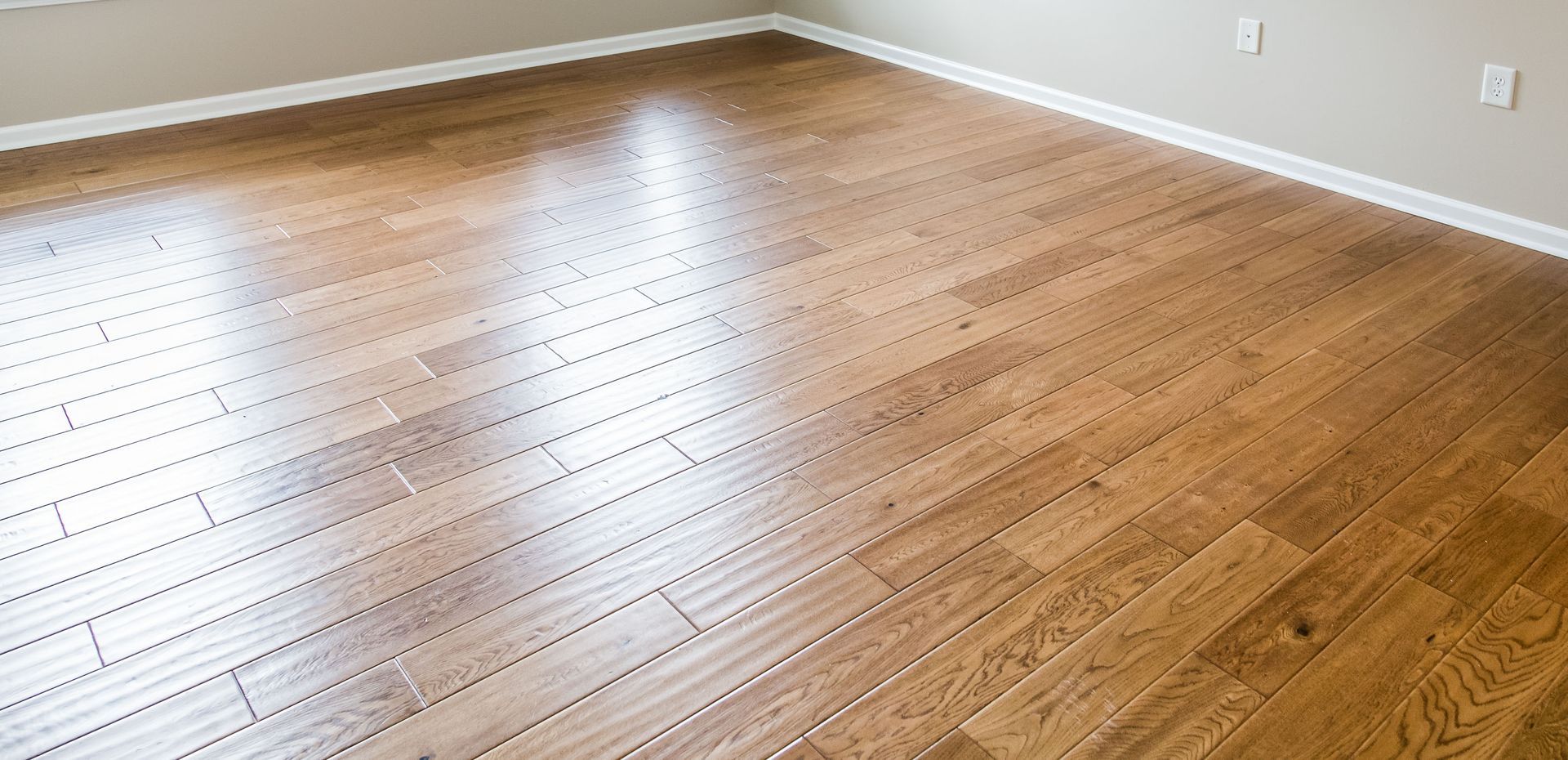
The kitchen is one of the most frequently used spaces in a home, serving as a place to prepare meals, gather with family, entertain guests, and complete everyday tasks. Because of this, an outdated or poorly designed kitchen can affect more than a home's appearance. It can make daily routines less convenient and potentially limit a property's appeal to future buyers.
Kitchen remodeling offers an opportunity to address these concerns while creating a space that better fits a homeowner's needs and preferences. From improving the layout and adding storage to updating finishes and appliances, a thoughtfully planned renovation can provide both immediate lifestyle benefits and long-term financial value.
While the cost of a renovation can vary significantly depending on its scope, homeowners do not necessarily need to pursue an extravagant project to see meaningful results. A strategic approach can improve the kitchen's usability and appearance while also helping protect or increase the home's resale value.
What Are the Financial Benefits of Kitchen Remodeling?
One of the biggest reasons homeowners consider kitchen remodeling is its potential effect on property value. Kitchens are often a major consideration for prospective buyers, and a modern, functional space can make a home more attractive when it eventually enters the market. Buyers may also be more willing to pay for a home that does not require immediate updates to one of its most important rooms.
The potential return on investment depends on numerous factors, including the home's location, the quality of the work, the project's scope, and current housing-market conditions. Renovations that improve functionality and maintain broad appeal can generally have greater resale value than highly personalized upgrades that appeal to a narrow group of homeowners.
According to This Old House, a minor kitchen remodeling project can recover nearly all of its cost through increased home value, with a reported return of 96.1%. This illustrates why smaller, carefully selected improvements can sometimes make more financial sense than completely rebuilding a kitchen.
Beyond resale value, remodeling can also provide financial benefits through improved efficiency. Replacing an aging refrigerator, dishwasher, range, or lighting system with more efficient alternatives may reduce energy consumption over time. Although these savings alone may not pay for an entire renovation, they can contribute to the long-term value of the investment.
How Does Kitchen Remodeling Improve Functionality?
A kitchen can look attractive while still being frustrating to use. Poorly positioned appliances, insufficient counter space, inadequate storage, and cramped walkways can make ordinary cooking and cleaning unnecessarily difficult. Remodeling provides an opportunity to address these issues at their source.
One of the most significant improvements may come from changing the layout. Depending on the existing structure, cabinets, appliances, islands, and work surfaces can potentially be repositioned to create a more efficient workflow. The goal is not simply to make the room look different but to make it work better for the people who use it.
Storage is another important consideration. Additional cabinets, deeper drawers, pull-out organizers, pantry systems, and strategically designed shelving can help homeowners keep frequently used items accessible without allowing countertops to become cluttered.
Kitchen remodeling can also incorporate modern appliances and fixtures that better suit contemporary lifestyles. Features such as induction cooktops, quieter dishwashers, touchless faucets, and improved ventilation can make everyday tasks more convenient. Even relatively modest changes can have a noticeable effect when they address problems homeowners encounter every day.
What Are the Best Design Trends for a Modern Kitchen?
Design preferences constantly change, but the most successful kitchens tend to balance current styles with elements that will remain appealing for years. Homeowners do not necessarily need to follow every trend to create a modern-looking space.
Natural-looking materials and neutral color palettes remain popular because they can create a warm appearance without overwhelming the room. Wood tones, muted greens, soft whites, and earthy colors can provide visual interest while remaining adaptable to changing decorating preferences.
Mixed materials can also add character. Combining wood cabinetry with stone or quartz countertops, for example, can create contrast without making the room feel overly busy. Hardware, backsplashes, lighting fixtures, and other smaller details can then introduce personality without requiring major structural changes.
Technology is another consideration in contemporary kitchen design. Smart appliances, connected lighting, voice-controlled devices, and other features can add convenience. However, technology should serve a practical purpose rather than simply being included because it is fashionable. Choosing useful features can help ensure that an investment remains worthwhile after the novelty wears off.
How Can You Plan a Budget-Friendly Kitchen Remodel?
A successful kitchen remodeling project starts with a realistic budget. Before selecting materials or appliances, homeowners should determine how much they are comfortable spending and identify which improvements matter most. Establishing priorities early can make it easier to distinguish between necessities and optional upgrades.
It can also be helpful to divide the project into areas where spending more will have the greatest impact. Durable countertops, quality cabinetry, reliable appliances, and professional installation may justify a larger portion of the budget because these elements receive substantial daily use.
At the same time, there are opportunities to save without making the kitchen feel inexpensive. Refinishing existing cabinets instead of replacing them can significantly reduce costs when the underlying cabinetry remains structurally sound. Updating hardware, lighting, paint, or a backsplash can also produce a noticeable visual change without requiring a complete renovation.
Keeping the existing layout may provide another substantial savings opportunity. Moving plumbing, electrical connections, walls, or gas lines can add considerable labor and material costs. If the existing configuration is reasonably functional, directing the budget toward surfaces, storage, fixtures, and appliances may provide a better overall return.
Homeowners should also maintain some room in the budget for unexpected expenses. Older homes can contain hidden plumbing, electrical, structural, or moisture-related problems that only become apparent after work begins. A contingency fund can help prevent an unforeseen repair from forcing important project decisions to be compromised.
What Common Mistakes Should You Avoid During Kitchen Remodeling?
Poor planning is one of the easiest ways for a renovation to become more expensive and frustrating than expected. Choosing finishes before establishing the overall layout, overlooking storage requirements, or failing to account for appliance dimensions can create problems that are difficult to correct later.
Another common mistake is prioritizing appearance over function. A dramatic island or oversized range may look impressive, but it can become a liability if it leaves insufficient room to move around the kitchen. Design decisions should consider how the space will actually be used every day.
Over-customization can also affect the long-term value of a renovation. Highly unusual colors, permanent fixtures, or specialized features may reflect a homeowner's personality but could make the property less appealing to future buyers. Personal touches can still be incorporated through elements that are relatively easy to change.
Finally, cutting costs in the wrong places can create problems later. Quality installation is particularly important for components involving plumbing, electrical systems, cabinetry, and structural changes. Saving money initially is less beneficial if poor workmanship results in repairs or premature replacement.
Kitchen remodeling can be a worthwhile investment because it combines improvements that homeowners can enjoy immediately with the potential to strengthen a property's long-term value. A well-designed renovation can make cooking and entertaining easier, provide better storage, improve efficiency, and give an outdated room a fresh appearance.
The strongest projects are not necessarily the most expensive. By establishing clear priorities, creating a realistic budget, selecting durable and broadly appealing materials, and avoiding unnecessary changes, homeowners can make their investment work harder for them.
Whether the goal is preparing a home for sale or simply creating a more enjoyable place to live,
kitchen remodeling can deliver meaningful benefits. With thoughtful planning and attention to both function and design, updating this essential space can be a practical investment in the home's future as well as the homeowner's everyday quality of life. If you're looking for a new kitchen, reach out to the team at Stilwell Home Improvements today!