October 29, 2026
Home maintenance is a critical part of maintaining both the structural integrity and aesthetic appeal of your living environment. Often, small repairs are overlooked or postponed due to their seemingly minor impact at the time. Unfortunately, these minor issues can evolve into substantial problems that might affect both your wallet and your home's value if not addressed promptly. Professional handyman services provide an efficient solution for tackling these minor fixes before they escalate. Not only does promptly fixing these small home repairs prevent larger issues, but it also saves homeowners both time and money in the long run. In fact, addressing these issues with urgency is key to maintaining a safe and comfortable home, as our discussion here will reveal.
Leaky Faucets
A. Causes of Leaky Faucets
Leaky faucets are a common household problem that most homeowners encounter at some point. The primary culprit behind most leaks is usually a worn-out or faulty O-ring, washer, or valve seat. These parts can become corroded or clogged with mineral deposits over time, leading to continuous drips. Dripping can also be a manifestation of improper installation or poor initial craftsmanship. With proper care and attention, many of these causes are preventable, but they require timely action to avoid escalation.
B. Financial Impacts of Ignoring Leaks
Many homeowners underestimate the financial impact a leaky faucet can have on their monthly water bills. Even a minor drip can waste a significant amount of water, leading to unexpectedly high water use and resulting costs. According to WebFX, 80% of American households will need handyman services at least once out of the year, suggesting that these seemingly small issues are widespread and economically impactful. Ignoring a leak doesn't just hit your wallet but also contributes to a larger environmental impact by wasting one of our most precious resources. Therefore, scheduling reliable handyman services to address leaks quickly saves money in the long-term and supports environmental sustainability.
C. Preventing Water Damage
Beyond the immediate financial implications, leaky faucets can cause significant water damage if left unchecked. Persistent drips can lead to moisture accumulation, which may encourage the growth of mold or weaken wooden structures and surfaces. Over time, this moisture can cause considerable structural damage, resulting in costly repairs. To prevent such scenarios, it's crucial to address the root of the problem immediately. Regular inspections and timely handyman services can go a long way in preventing extensive water damage over time.
Cracked Walls and Ceilings
A. Identifying Different Types of Cracks
Cracks in walls and ceilings can signify various underlying issues, so understanding the types is essential for accurate diagnosis. Hairline cracks are typically due to normal settling of the house and often pose no serious risk. However, cracks larger than a few millimeters may signal structural problems. Stress cracks, stair-step cracks, and horizontal cracks often indicate foundation movement or settlement issues. A visual inspection will not only help identify the type of crack but also guide decisions on whether immediate action is necessary.
B. Causes of Structural Cracks
Understanding the causes of structural cracks is critical to formulating effective solutions. Changes in moisture levels, either from heavy rains or poor drainage systems, can cause foundations to shift. Additionally, poor construction practices, like improper material use or inadequate reinforcement, can result in cracks. Temperature variations may also cause materials to expand and contract, leading to visible damage over time. Structural engineers or experienced builders offering specialized handyman services can provide insights into the specific causes and further impending issues. Awareness of local environmental factors can aid in preventing such problems.
C. Effects on Home Value
Visible wall and ceiling cracks, though they may seem trivial, can significantly impact home value. Prospective buyers might view them as red flags, signaling poor maintenance or more severe underlying issues. Even cosmetic damage can leave potential buyers apprehensive, thus affecting a property's marketability. In addition to affecting resale value, lenders may perceive visible structural damage as a risk. As such, attending to wall and ceiling cracks with professional handyman services is vital, helping maintain and potentially enhance a home's market value.
Malfunctioning Electrical Outlets
A. Common Causes of Outlet Failures
Malfunctioning electrical outlets can stem from various sources, and identifying these is key to resolving and preventing issues. Loose connections, worn-out contacts, or outdated wiring systems are frequent causes of outlet malfunctions. Overloaded circuits, commonly due to increased appliance usage, can cause outlets to become faulty. Additionally, damage from pests or environmental exposure such as moisture can lead to broken outlets. Understanding these common causes assists homeowners in proactive maintenance and timely troubleshooting.
B. Safety Hazards Involved
Malfunctioning outlets pose serious safety risks, emphasizing the importance of timely repairs. Faulty outlets can lead to electrical fires, with overheating as a prevalent trigger. Additionally, damaged outlets raise risks of electrical shocks, putting occupants at immediate danger. Such safety concerns stress the need for awareness and prompt action to mitigate life-threatening hazards. Homeowners who identify faulty outlet symptoms should treat repairs as a safety priority, rather than merely a convenience issue.
C. Basic Troubleshooting Tips
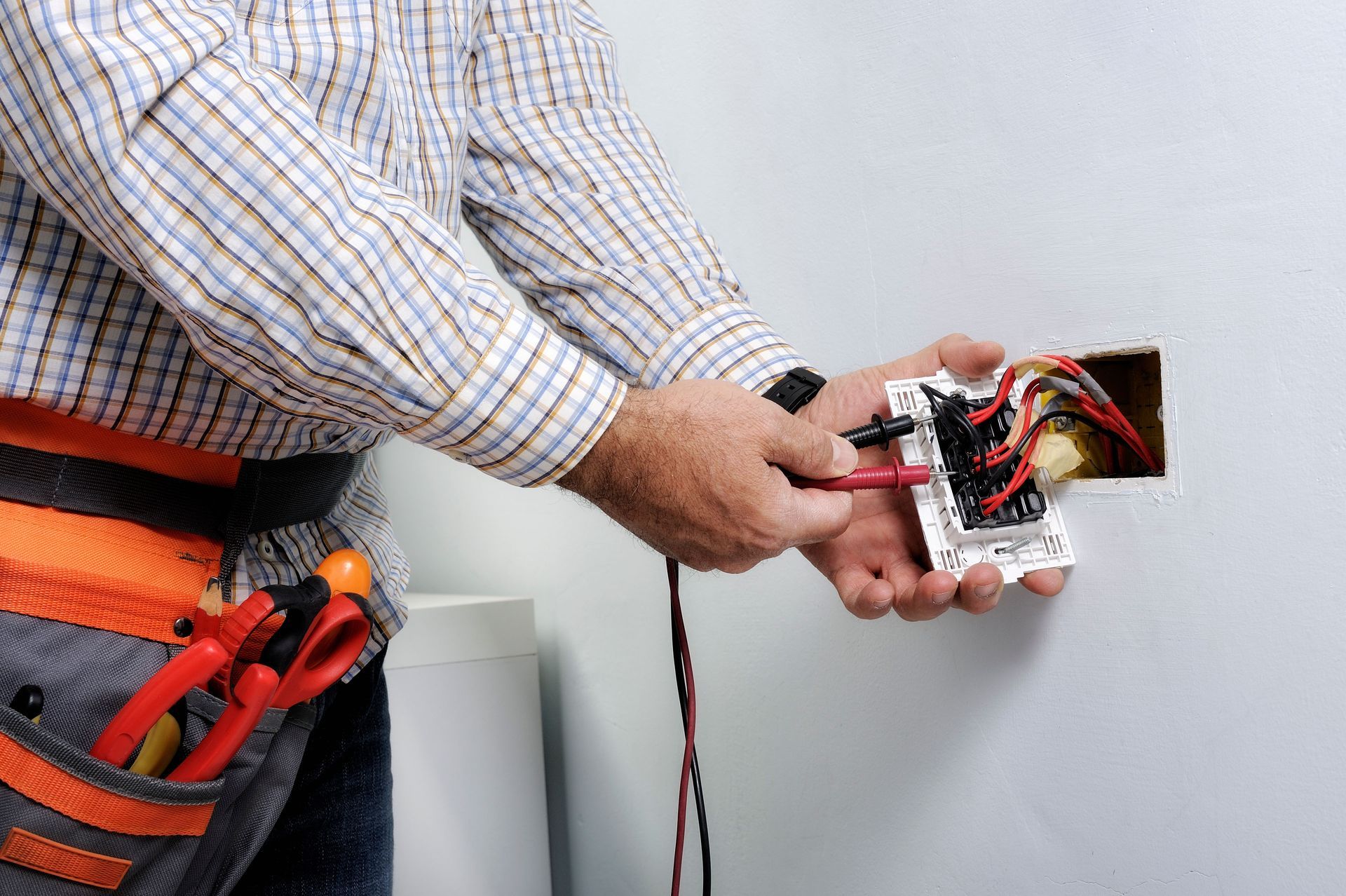
Conducting basic troubleshooting can help identify and sometimes rectify minor outlet issues. Begin by turning off power to the outlet and removing faceplates to check for visible signs of wear or damage. Test the circuit breaker or fuse box for trips, as sometimes a reset is all that's needed. Voltage testers can measure electrical flow, indicating if wiring or connection issues are present. If visible damage is evident, it may be necessary to replace the outlet with a new one using proper installation practices. When in doubt, consulting an electrician or licensed professional for safe handyman services can provide greater safety and assurance.
Poor Insulation
A. Signs of Inadequate Insulation
Poor insulation becomes evident through several signs that homeowners should learn to recognize. Varied indoor temperatures, unexplained drafts, or disproportionate heating/cooling bills are primary indicators. Additionally, if walls are cold to the touch during winter or hot during summer, inadequate insulation may be at play. Visible moisture on walls, ceiling, or windows due to temperature discrepancies also suggests insulation issues. Observing these signs early can empower homeowners to seek necessary improvements before greater energy inefficiencies arise.
B. Energy Efficiency Impact
Inadequate home insulation directly impacts energy efficiency, leading to increased costs and consumption. It forces reliance on heating and cooling systems, straining their operation and accelerating wear and tear. By neglecting insulation improvements, homeowners contribute to elevated carbon footprints due to excessive energy use. Moreover, enhancing property insulation can significantly lower utility bills, countering any investment in insulation upgrades over time. Consequently, improved insulation serves as both a cost-saving measure and an environmental benefit.
C. Insulation Techniques
Various techniques are available to improve home insulation and thus enhance comfort and efficiency. Adding or upgrading attic insulation with materials like fiberglass batts or spray foam can seal energy leaks effectively. Wall insulation options, such as blown-in cellulose or rigid foam, provide effective R-values suited for different property needs. For smaller fixes, weather-stripping doors and windows helps eliminate drafts and minimize air leaks. Employing skilled professionals or knowledgeable DIYers ensures the implementation of suitable, energy-efficient solutions tailored to home specifics.
Timely attention to small home repairs crucially affects property safety, comfort, and value. By addressing potentially costly issues like leaky faucets, wall cracks, electrical malfunctions, poor insulation, gutter clogs, and caulking damage promptly, homeowners protect their investments. As WebFX points out, the majority of American households require repair services annually, underscoring the importance of proactive maintenance and accessible handyman services. Diligent management of these minor concerns now prevents expansion into significant issues and contributes to long-term home integrity and financial prudence. Proactivity in home care insulates against immediate inconvenience, future saving, and lasting peace of mind—contact Stilwell Home Improvement today to keep your home running smoothly and securely year-round.