June 19, 2026
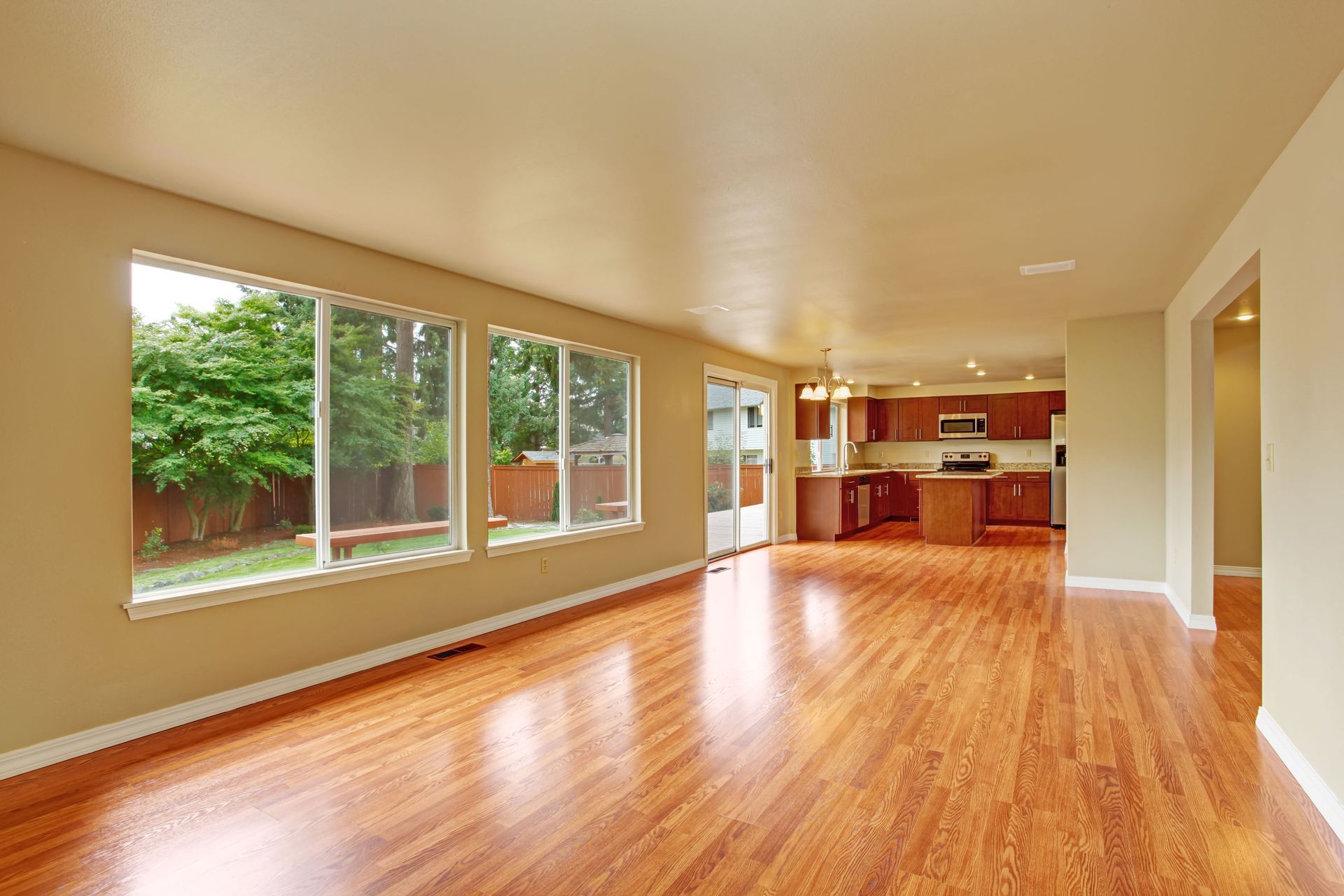
Hardwood flooring has long been a staple in the world of interior design, cherished for its timeless elegance and lasting durability. Choosing the right surface transforms a house into a home, offering an organic aesthetic that synthetic alternatives simply cannot replicate. For homeowners aiming to enhance their living spaces, understanding the multi-faceted benefits of this material is a vital step toward making an informed property upgrade. Beyond its immediate visual impact, premium wood selection balances long-term financial wisdom with everyday functional comfort.
This discussion explores how hardwood flooring elevates property value, infuses environmental and psychological warmth, and adapts seamlessly to diverse design aesthetics. Maintaining these surfaces over decades preserves their initial luster, making them a premier choice for modern living. By examining the structural, financial, and stylistic elements of wood surfaces, property owners can appreciate why this traditional option remains a dominant force in contemporary architecture.
Maximizing Long-Term Asset Value
Hardwood floors have historically been a sign of quality and have consistently retained their market worth over time. They are often seen as a generational investment rather than a temporary expense due to their ability to elevate a property's overall market valuation. Unlike carpet or vinyl, which frequently require replacement every few years, wood surfaces endure. According to HomeAdvisor, solid hardwood flooring is highly durable and can last up to 100 years when properly maintained. This remarkable lifespan introduces a distinct historical resilience to changing market preferences, making it a reliable financial anchor for any residential property.
The structural longevity of these floors directly translates into higher property resale prices. Prospective buyers routinely express a willingness to pay a premium for properties featuring authentic wood, recognizing it as a symbol of luxury, cleanliness, and structural integrity. Real estate professionals consistently highlight these installations in marketing portfolios to generate competitive offers quickly. Because properties with wood elements sell faster and secure higher closing values than those with synthetic alternatives, the initial capital outlay converts directly into tangible home equity.
When executing a comparative analysis against options like carpet, laminate, or standard tile, wood consistently leads in long-term cost-effectiveness. When minor damage accumulates from daily foot traffic, these surfaces can be professionally sanded and refinished multiple times rather than completely torn out. This restorability minimizes landfill waste and eliminates recurring material replacement costs. Over time, utilizing professional handyman services to handle minor surface touch-ups keeps the installation pristine, outlasting multiple generations of alternative floor coverings while lowering utility bills through improved building tightness.
Cultivating Natural Heat and Comfort
Wood possesses natural insulating properties that improve the thermal efficiency of a home, trapping heat during cooler seasons to maintain a steady indoor climate. Unlike stone or ceramic tile, which quickly pull heat away from bare feet, wood retains a comfortable surface temperature year-round. This cellular thermal resistance lowers overall energy consumption, decreasing reliance on central heating systems and driving down monthly utility expenses. This physical insulation changes how a space feels, establishing a fundamentally cozy domestic environment.
The benefits extend past thermal metrics into the psychological and emotional warmth that natural materials bring to modern living spaces. The organic variation of wood grain patterns promotes a subconscious sense of tranquility, reducing stress levels and elevating overall well-being. Studies in biophilic design demonstrate that incorporating raw, natural elements into a building interior improves daily mood and fosters deep relaxation. This authentic charm turns abstract living spaces into welcoming sanctuaries, proving that material selection influences mental comfort just as much as physical comfort.
Maximizing this environmental efficiency often involves pairing premium wood varieties with specialized underlayments or radiant heating systems. The visual characteristics of the species also dictate perceived room temperature, as deep walnut tones wrap a master bedroom in intimate comfort while light ash options maximize natural daylight. Selecting species that align with regional climate demands ensures the property stays comfortable during seasonal shifts, reducing drafts and ensuring a stable, hospitable interior atmosphere across the entire home layout.
Adapting Aesthetics to Interior Designs
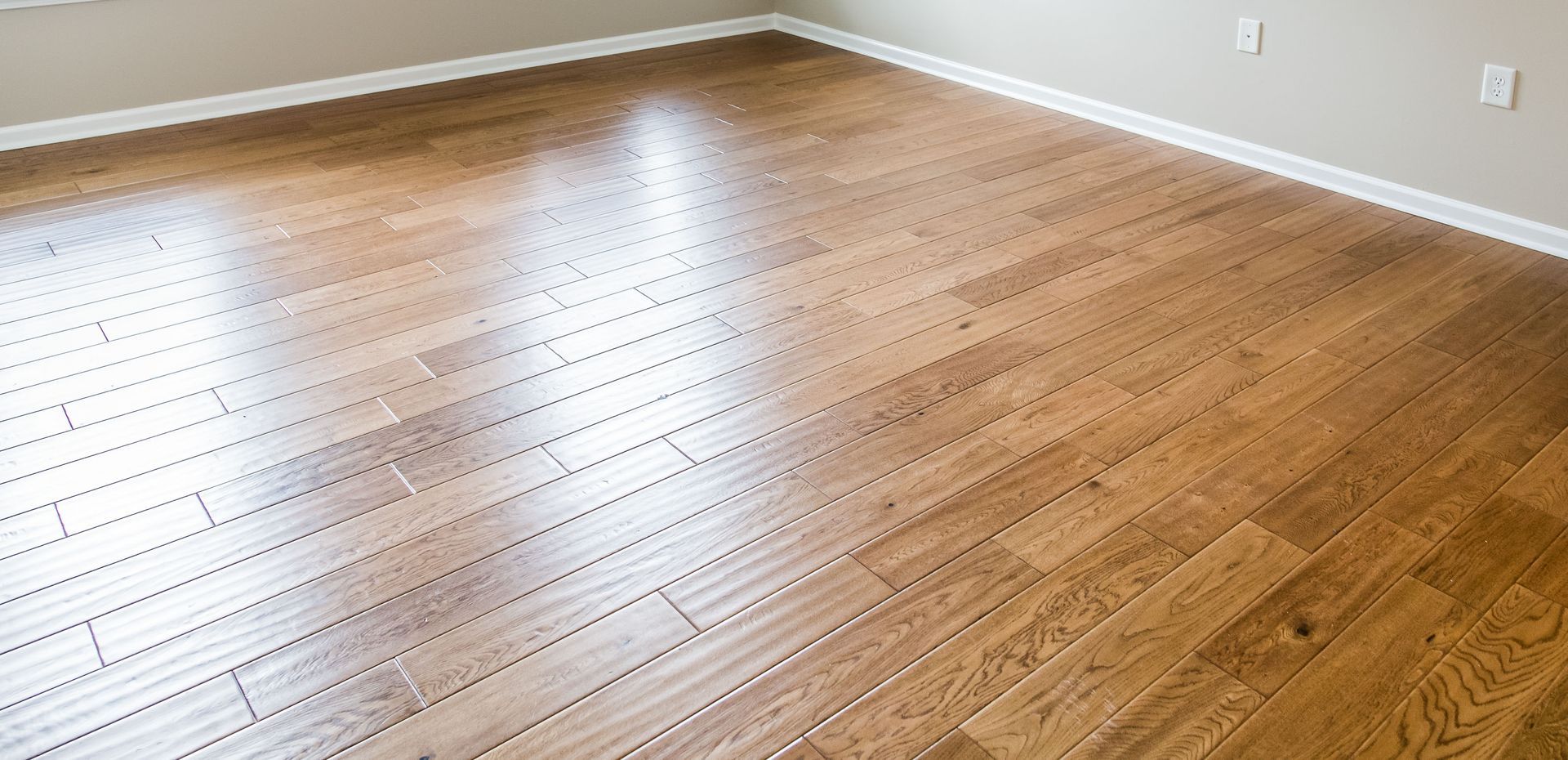
The versatility of natural wood enables it to align with fluid interior design trends over multiple decades. Timeless domestic choices like white oak and maple remain celebrated for their neutral base tones, allowing them to anchor minimalist contemporary spaces or highly decorative traditional environments. Recent architectural movements favor wide-plank installations and low-gloss matte finishes that showcase character marks, mineral streaks, and natural texturing. This vast range of stylistic configurations ensures that changing your furniture or wall paint never requires changing your floor.
Homeowners can customize their installations through tailored stains, protective topcoats, and specialized texturing techniques. Choosing between wire-brushed, hand-scraped, or smooth grain profiles completely dictates how light reflects across a room, changing its perceived visual volume. Coordinating your floor coloration with existing baseboards, cabinetry, and natural light sources produces an integrated design theme. Strategic color contrast can also emphasize architectural focal points, highlighting unique furniture groupings or custom fireplace surrounds.
Innovative designers are taking wood beyond traditional floor layouts, running matching planks vertically up accent walls or across vaulted ceilings to create continuity. Integrating matching timber into custom staircases, built-in shelving systems, or kitchen accent zones blends everyday utility with high-end artistic expression. Securing a flawless transition between these complex architectural surfaces requires precision carpentry. Relying on professional handyman services for detailed trimming, transitions, and precise border matching ensures that complex layouts retain a unified, luxury appearance throughout the entire home.
Preserving Durability and Material Integrity
The resilience of authentic timber lies in its fibrous density, which allows it to withstand significant structural pressure without cracking. Hardwood species rated highly on the Janka scale possess tight cellular structures that resist heavy impacts, making them highly suited for busy entryways, hallways, and living spaces. This natural structural density protects the installation against deep indentations from heavy furniture, ensuring the floor maintains its flat, level uniformity through decades of continuous domestic use.
Preserving this structural integrity requires simple, consistent maintenance practices rather than intensive chemical treatments. Regular sweeping removes abrasive grit that can dull topcoats, while specialized wood cleaners preserve the protective factory finish without leaving sticky residues behind. Using felt furniture glides and strategic area rugs protects high-traffic paths from premature scratching. Should deep gouges or sun fading occur over twenty years, the entire surface can be sanded down to raw wood, restained, and resealed to look brand new.
This capacity for complete rejuvenation stands in stark contrast to synthetic laminates, engineered composites, or vinyl planks, which must be completely removed once their thin top layer wears through. While soft carpet harbors pet dander, moisture, and fine dust particles, wood maintains a hygienic surface that improves indoor air quality. This resistance to common allergens makes wood an asset for families prioritizing wellness, proving that timeless beauty, long-term durability, and household health go hand in hand.
Navigating Financial and Project Planning
The upfront cost of purchasing and installing authentic timber varies based on the selected species, grain grade, and plank width. While the initial capital requirements exceed those of synthetic alternatives, they represent a permanent structural upgrade that directly prevents future replacement costs. Factoring in professional installation guarantees proper subfloor preparation, moisture barrier placement, and acclimation protocols, which are essential to prevent warping or gapping as humidity shifts throughout the changing seasons.
Homeowners must balance material expenses against verified long-term returns, as homes featuring authentic wood installations consistently attract higher buyer interest and superior appraisal valuations. The reduction in recurring flooring replacements, coupled with marginal energy savings from thermal insulation, offsets the initial installation price over the lifecycle of homeownership. Furthermore, substantial residential upgrades can enhance property equity profiles, qualifying the home for improved insurance underwriting or increased valuation stability during market shifts.
Hardwood flooring is more than just a surface choice; it is a permanent investment in your home's architectural future. Combining unmatched financial return, exceptional thermal efficiency, and flexible stylistic elegance, wood remains the premier choice for discerning property owners. By evaluating species durability, understanding proper care routines, and planning out your project installation phases, you can execute a property transformation that elevates your daily living experience. For more information about the services that we offer, reach out to our incredible team at Stilwell Home Improvements today!